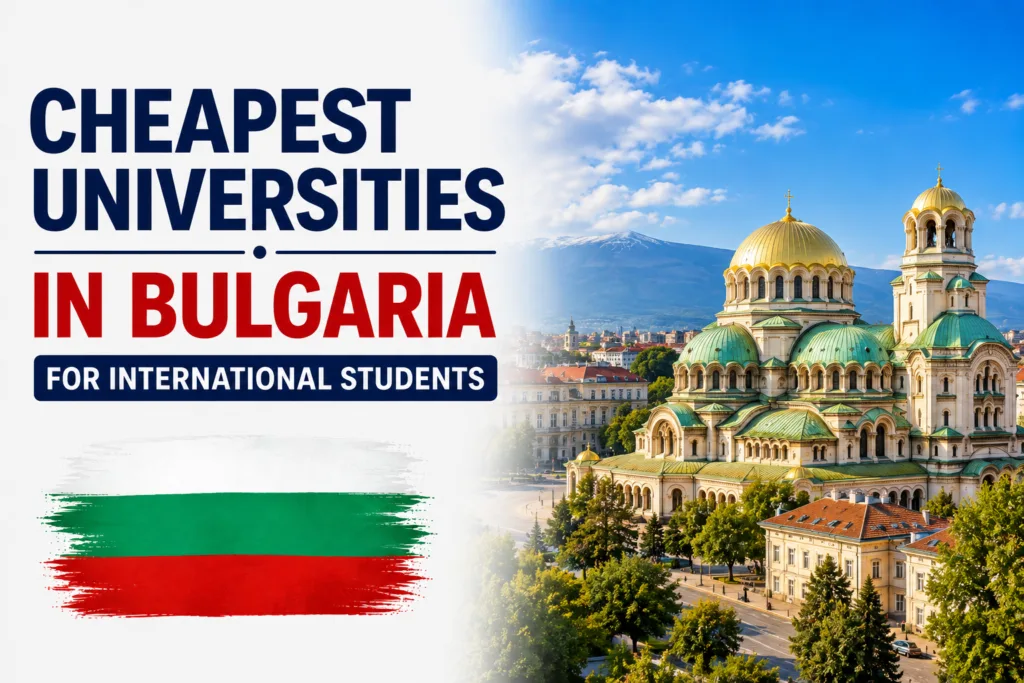
The cheapest universities in Bulgaria offer international students an opportunity to earn a European degree without paying the high tuition fees associated with many Western European destinations. Public universities in Bulgaria have programmes in business, engineering, computing, economics, humanities and other fields, with some English taught degrees costing around €2,500 to €4,000 per academic year. However, tuition depends on the institution, course and nationality of the applicant, so non EU students should check the fees for their chosen programme before applying.
Bulgaria can appeal to students who want affordable tuition, a European study environment and access to academic programmes taught in English. Students who plan to study in Bulgarian can also consider preparatory language courses before starting their degree.
Cheapest Universities in Bulgaria for Non EU International Students
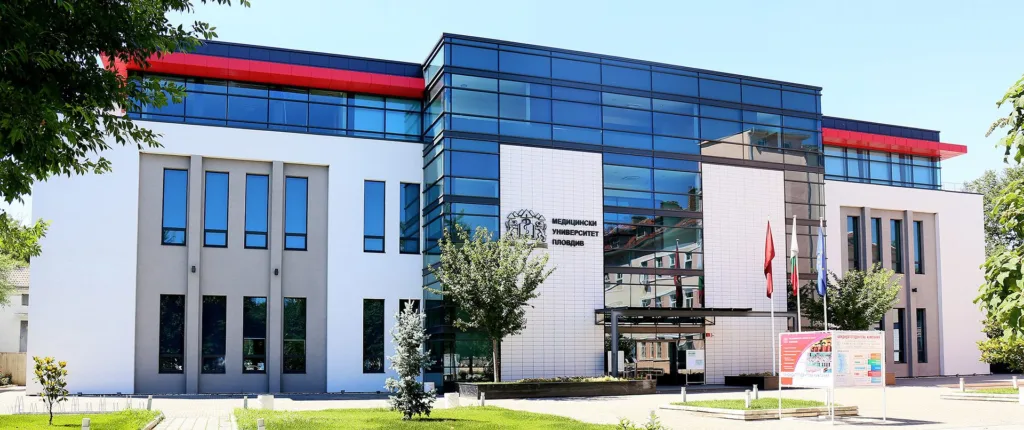
1. Plovdiv University Paisii Hilendarski
Plovdiv University is a public university in Plovdiv, Bulgaria’s second largest city. Its academic offerings cover natural sciences, humanities, social sciences, education and other disciplines.
Tuition fees: Foreign students pay around €3,000 per year for degree programmes at the university. A Bulgarian language preparatory course also costs about €3,000 per year. Tuition fees depend on the programme you choose.
Courses to consider: English Philology, business related subjects, computing and natural sciences. Applicants should confirm which programmes are available in English for their intended intake.
Entry requirements: Applicants generally need a recognised secondary school certificate for undergraduate admission. Master’s applicants must provide their previous degree certificate and transcript. Additional subject requirements and language evidence depend on the chosen programme.
Plovdiv can be an appealing option for students who want to study outside the capital while keeping tuition costs under control.
2. University of Economics Varna
The University of Economics Varna is located in Varna on Bulgaria’s Black Sea coast. Its academic focus includes economics, business, management, finance, tourism and information technology.
Tuition fees: Non EU students pay €1,350 per semester for bachelor’s programmes and €1,600 per semester for master’s programmes. This comes to €2,700 per year for bachelor’s students and €3,200 per year for master’s students on a two semester programme. Some master’s programmes run for more than two semesters.
Courses to consider: International Business, Business and Management, Accounting, Finance, Computer Science and tourism related programmes.
Entry requirements: Undergraduate applicants need a recognised secondary school qualification. Postgraduate applicants need a relevant bachelor’s degree. English language proof or an entrance language assessment may be needed for English taught programmes.
Varna offers a useful option for students interested in business or technology who prefer a coastal city to Sofia.
3. Technical University of Sofia
Technical University of Sofia is a public institution focused on engineering, computing, telecommunications and technology. It can be a suitable choice for students planning careers in technical fields.
Tuition fees: International students pay around €3,000 to €4,000 per year for several programmes at the university, depending on the subject. Computing and engineering courses have specific semester fees.
Courses to consider: Computer Systems and Technologies, Software Engineering, Telecommunications, Mechanical Engineering and Industrial Engineering, subject to current English language offerings.
Entry requirements: Applicants generally need a recognised secondary school certificate, with mathematics and physics grades playing an important part in engineering and computing admissions. Students must also meet the English language conditions for their chosen programme.
Technical University of Sofia is worth considering for applicants who want a technical degree and are prepared for a more mathematics focused course.
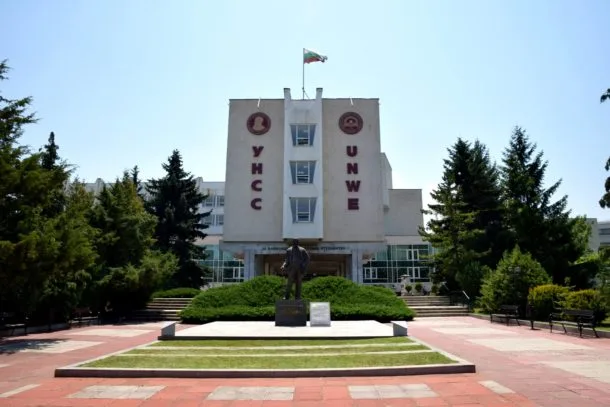
4. University of National and World Economy
The University of National and World Economy, based in Sofia, specialises in economics, business, finance, management, international relations and related disciplines.
Tuition fees: Annual fees for non EU applicants depend on the degree and language of instruction. A budget of around €3,000 to €4,000 per year can be used as an initial estimate for some programmes, but students should confirm the official fee for their chosen course before making financial plans.
Courses to consider: International Economic Relations, Finance and Accounting, Business Management and Marketing, depending on the English taught programmes available for the intake.
Entry requirements: Undergraduate applicants need a recognised secondary school qualification. Master’s applicants need a relevant bachelor’s degree. Academic results in subjects related to the chosen programme and proof of English proficiency may also be assessed.
UNWE can be a good option for students who want to study economics or business in Sofia, where they can also access a larger employment and business environment.
5. Sofia University St. Kliment Ohridski
Sofia University is Bulgaria’s oldest university and offers programmes across sciences, humanities, social sciences, languages and other academic fields. Some of its English taught programmes are available to international students.
Tuition fees: Tuition fees depend on the programme. English taught courses include European Studies at €3,300 per year, English Philology at €2,900 and Psychology at €3,850. Science programmes may cost more, so check the fee for your chosen course before applying.
Courses to consider: European Studies, English Philology, Psychology, Philosophy and selected science programmes. General Medicine is also available, but medical tuition is higher than many humanities programmes.
Entry requirements: Applicants need a recognised secondary school certificate and must meet the academic conditions for their selected course. Science and medical programmes can involve subject specific entrance examinations. English taught courses also have language requirements.
Sofia University is worth considering for students who want a broad academic environment and access to a range of research and professional fields.
Related Article: Study in Europe: Best Budget‑Friendly Countries for International Students
How Much Does It Cost to Study in Bulgaria?
Tuition is only one part of the budget. International students should also plan for accommodation, food, transport, health insurance, visa expenses and other administrative charges.
The table below gives a general starting point for comparing tuition costs. These are planning figures, not guaranteed fees for every course.
| University | Indicative annual tuition |
|---|---|
| University of Economics Varna | €2,700 for bachelor’s study |
| Plovdiv University | Around €3,000 |
| Sofia University | From around €2,900 for selected programmes |
| Technical University of Sofia | Around €3,000 to €4,000 for selected programmes |
| University of National and World Economy | Confirm the current course fee |
The cheapest option depends on the course, not just the university. A student comparing computer science programmes, for example, may face different tuition fees from someone applying for English Philology or European Studies. Students should also compare the length of each programme, any preparatory language year and the cost of living in the city.
Admission Requirements for Non EU Applicants
Students applying from outside the European Union need to meet the academic and immigration conditions for their chosen programme.
Common application documents include:
- A valid passport.
- Secondary school certificate and academic transcript for bachelor’s admission.
- Bachelor’s degree certificate and transcript for master’s admission.
- Proof of English proficiency for English taught programmes.
- Certified translations and legalisation or apostille where applicable.
- A medical certificate where requested.
- Evidence of funds for tuition and living expenses.
- Passport photographs and university application forms.
The precise documents depend on the university and the applicant’s country of education. Students should follow the university’s current instructions on translation and document certification before sending their application.
How to Apply to a Bulgarian University
Step 1: Choose a Course
Start by identifying a course that matches your academic background and career plans. Check the language of instruction, tuition fee, entry requirements and application deadline.
Step 2: Prepare Your Academic Documents
Gather your certificates, transcripts, passport and English language evidence. Documents issued outside Bulgaria may need official translation and legalisation, depending on the country of origin and the university’s instructions.
Step 3: Apply for Qualification Recognition
Some applicants need their previous education assessed or recognised before admission. The process depends on the qualification and institution. Contact the university to find out which authority handles your case and which documents it needs.
Step 4: Receive Your Admission Decision
If your application is successful, the university will provide admission instructions and information about tuition payment. Follow the official payment schedule and keep copies of your receipts.
Step 5: Apply for a Bulgarian Student Visa
Non EU students who need a long stay visa generally apply for a Bulgarian Type D visa after receiving the necessary admission documents. The visa application may involve proof of accommodation, financial resources, health insurance and other supporting documents. Check the latest instructions from the Bulgarian embassy or consulate responsible for your country.
When Do Bulgarian Universities Accept Applications?
Many universities recruit international students for the autumn intake, with application periods often opening in spring and continuing into summer. Exact dates depend on the institution, course and time needed for qualification recognition and visa processing.
Plovdiv University accepts applications from foreign students between 1 May and 20 September. Application deadlines at other Bulgarian universities may fall on different dates. Students should begin preparing their documents early, particularly if certificates need legalisation or translation. Applying early also leaves more time to arrange accommodation and complete visa formalities.
StudyAbroadly: Best Study in Bulgaria Agency
Looking at tuition fees alone may lead you to choose a course that does not fit your academic plans or budget. StudyAbroadly can help international applicants review their academic qualifications, compare available programmes and understand the application documents needed for Bulgarian universities.
This guidance can be useful when deciding between English taught and Bulgarian taught degrees, checking academic eligibility and planning for tuition and living expenses. Students can also get help organising application documents and understanding the steps involved in the student visa process.
The right university depends on your previous education, intended course, budget and preferred city. Reviewing these details before applying can help you focus on institutions that match your circumstances.
Is Bulgaria an Affordable Study Destination?
Bulgaria can be an affordable choice for international students, particularly those who find a suitable English taught programme with tuition in the €2,500 to €4,000 annual range. Some specialist programmes, including medicine and certain technical degrees, cost more. The University of Economics Varna, Plovdiv University, Technical University of Sofia, the University of National and World Economy and Sofia University all have options to consider. Tuition fees and admission conditions depend on the university and course, so check the latest course information before paying an application fee or making travel plans.
A careful comparison of tuition, accommodation, language requirements and visa costs gives students a more realistic picture of the full cost of studying in Bulgaria.